
Yes — especially in the preschool years. Watching together helps a child not just watch but learn: understand what they see, build language and thinking skills. It also makes watching safer.
That doesn't mean sitting next to them every minute. But the first episodes of a new channel, new topics and the bedtime cartoon are best watched together. Here's why — and how to make that time worthwhile.
Why watching together matters
- psychologyYour child understands moreYou can explain, ask questions and talk about what they saw. With an adult nearby, a story is easier to follow.
- forumLanguage growsYou explain new words; your child retells and answers questions.
- shieldFewer risksYou notice right away if a video isn't suitable or makes them anxious.
- favoriteA stronger bondWatching together is time for talking, trust and nice moments.
- starHealthy habits take rootYou choose channels together and agree on rules and limits.

What watching together gives your child
- Builds language and vocabulary
- Teaches them to ask questions and think
- Helps tell reality from fiction
- Shapes a healthy attitude to screen time
- Makes watching calmer and more mindful

The risks when a child watches alone
On regular YouTube a child can easily stumble on unsuitable content:
- fast-paced, overstimulating videos
- scary or aggressive scenes
- ads and unwanted recommendations
- content that isn't right for their age
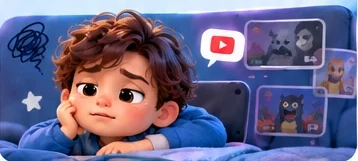
On regular YouTube it's still possible: the algorithm doesn't know your child's age.
A child can watch longer than they should — one video follows another.
Watching turns into passive time: nobody explains or asks.
Without guidance, kids ask for more and find it harder to stop.
What to do while you watch
- forumTalk about itAsk: “What do you think just happened?”
- helpAnswer questionsEven simple questions matter for development.
- moodWatch your child's feelingsIf something is scary or confusing, explain it or switch to something else.
- pause_circleTake pausesStop the video and talk about an interesting moment.
- favoriteSet an exampleA calm, mindful attitude to screens helps your child build healthy habits.
What to talk about while watching
Simple questions turn a cartoon into a conversation:
How much to watch together
There are no strict rules, but balance matters. For preschoolers, the WHO recommends no more than one hour of screen time a day.
It's not only about time but also what and how your child watches. More in “How much screen time does a preschooler need”.
How to choose videos and channels
- Right for their age
- Teach and develop
- No scary or aggressive scenes
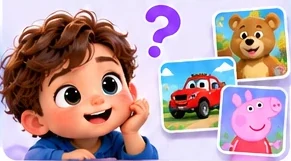
For a ready-made list, see “10 safe YouTube channels for preschoolers”, and for a quick way to check any channel — “5 simple questions”.
Everyday tips
- Choose quality channels — and only those.
- Watch short, clear videos, especially with little ones.
- Pause and talk — “What's happening?”, “What do you think?”.
- Link what you see to real life: spotted it in a cartoon? Find it at home too.
- Offer an activity afterwards: a game, a walk or something creative.
- Keep an eye on time and agree on it in advance.
How Mitti-GO helps
Mitti-GO is made especially for kids, so watching stays safe, simple and useful — even when you're not right there.
- verified_userOnly approved channelsYour child sees only what you allowed.
- shield_personParental controlsSettings are locked with a PIN or Face ID.
- playlist_add_checkEasy content choiceWhole channels or just the playlists you want.
- blockShorts off by defaultNo endless feed of short videos.
- sentiment_satisfiedA calm, clear spaceNo comments, no likes and no way out to YouTube.
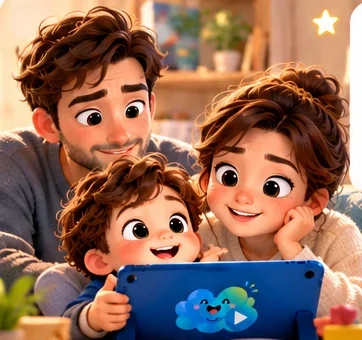
Watching YouTube together isn't control for the sake of rules — it's a chance to be there, support your child and grow together.
verified_userWatch together. Choose the best.How it works →